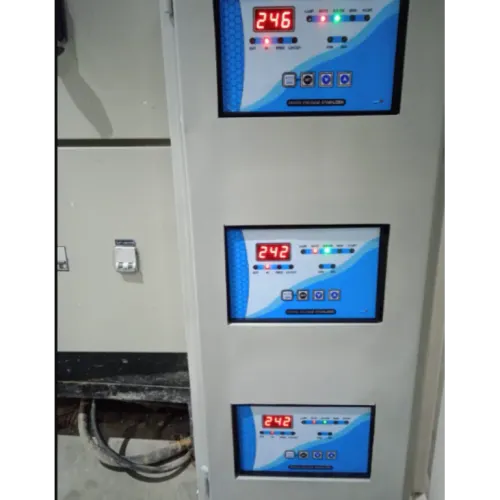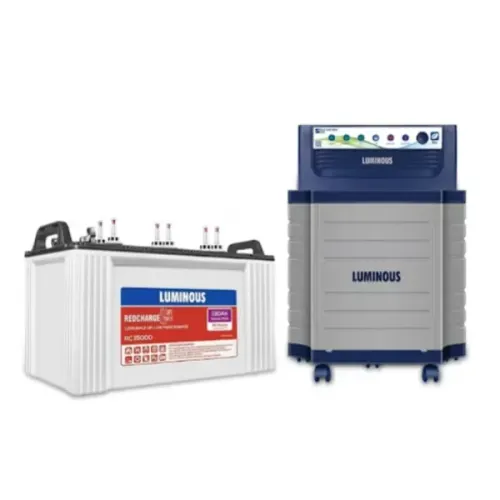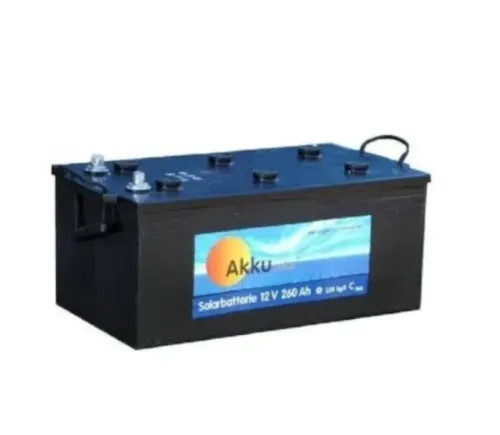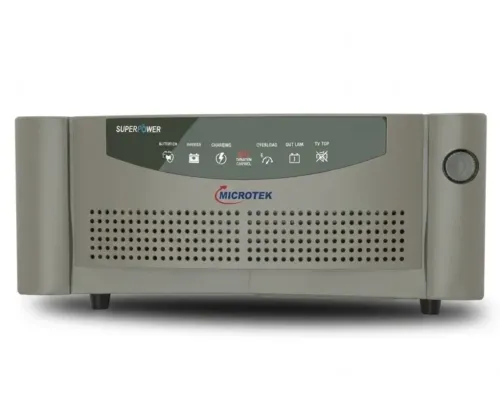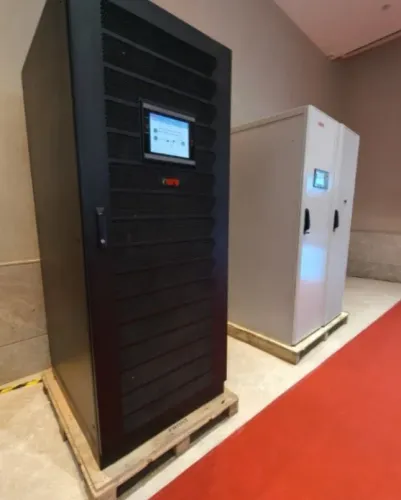
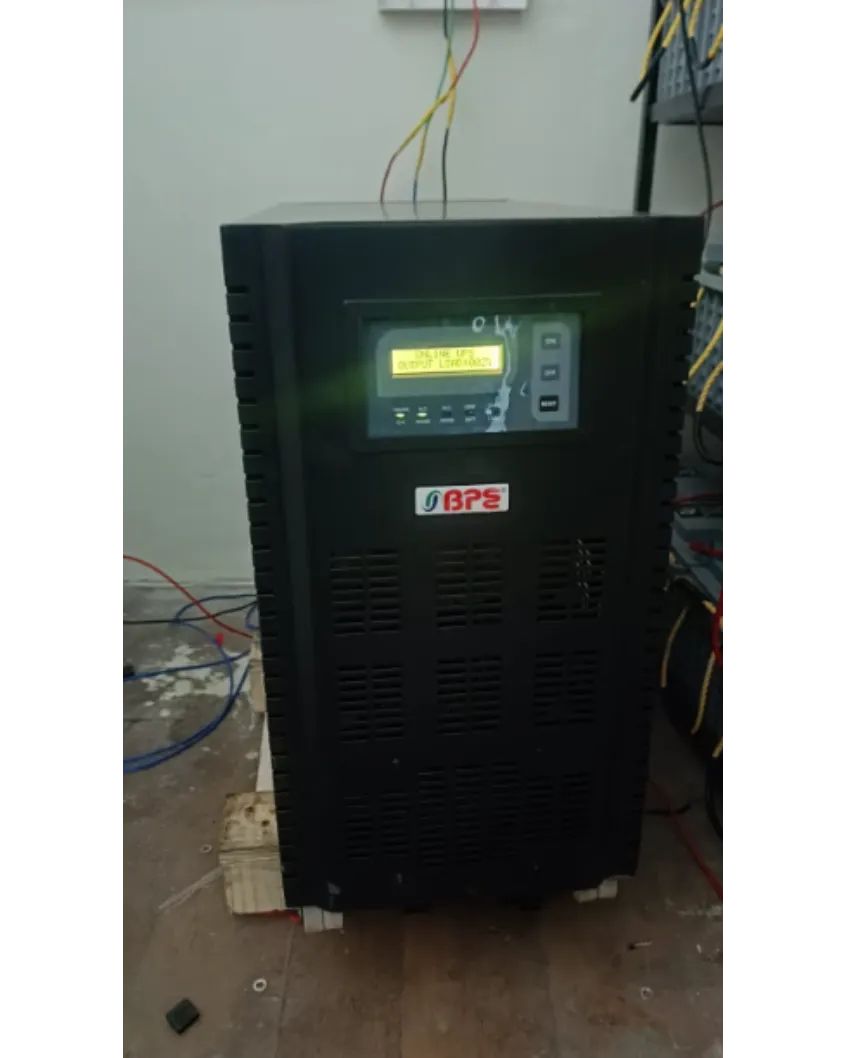
An office power outage does not affect only the lights. It can interrupt computers, internet connectivity, billing systems, communication equipment, security infrastructure and ongoing digital work. A properly planned UPS System can help maintain selected critical loads during power disturbances or outages.
For offices and commercial establishments in Parbhani, Maharashtra, UPS planning should begin with business continuity requirements rather than with a product catalogue.
Identify What Cannot Afford an Abrupt Shutdown
Not every appliance needs UPS backup.
Start by separating essential loads from non-essential loads. Priority equipment may include desktop computers, servers, network switches, routers, billing terminals, CCTV systems or specialized electronics.
Air conditioners, heaters and other large loads should not automatically be included unless the UPS system is specifically designed for them.
This prioritization keeps the system focused on business-critical equipment.
Decide How Much Backup Time Is Needed
Some organizations need only enough time to save work and shut down systems safely. Others require continued operation through longer interruptions.
These scenarios lead to different battery requirements.
Instead of asking for the 'longest backup,' define a realistic runtime target based on how the business responds when mains power fails.
Evaluate the UPS Technology
Different UPS designs are suited to different applications. Where critical electronics require continuous conditioned power, an online UPS may be considered.
The appropriate choice depends on load sensitivity, acceptable interruption, power conditions and budget.
Plan for Expansion
An office may add computers, network hardware or other electrical equipment over time.
If expansion is already planned, it should be discussed during system selection rather than after the UPS is installed.
At the same time, excessive oversizing can increase cost without providing proportional value. Sensible headroom is more useful than arbitrary capacity.
Look Beyond the UPS Unit
A dependable installation also involves batteries, electrical connections, protection arrangements, placement and service accessibility.
Mahendra Power Zone supports customers evaluating UPS and backup-power systems in Parbhani and other parts of Maharashtra. A useful provider discussion should cover the load, expected runtime, available electrical supply and installation conditions before recommending capacity.
For commercial users, the objective of a UPS system is not merely to keep something running during a power cut. It is to protect the continuity of the specific activities that matter to the organization.
When the system is designed around those activities, capacity and battery decisions become considerably clearer.
Keywords