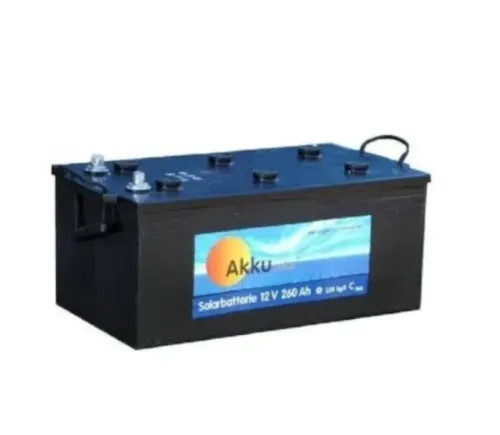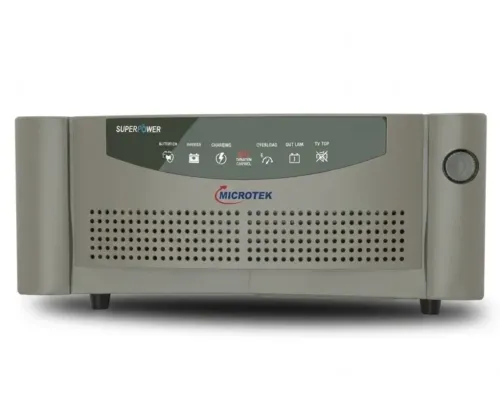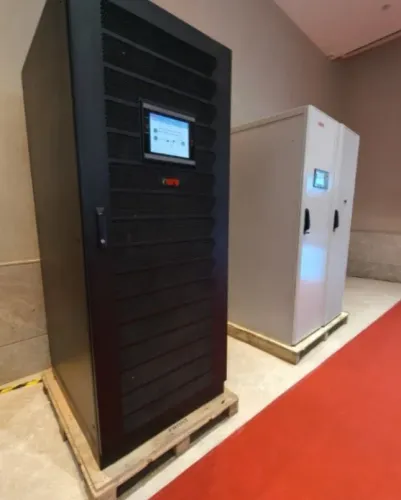


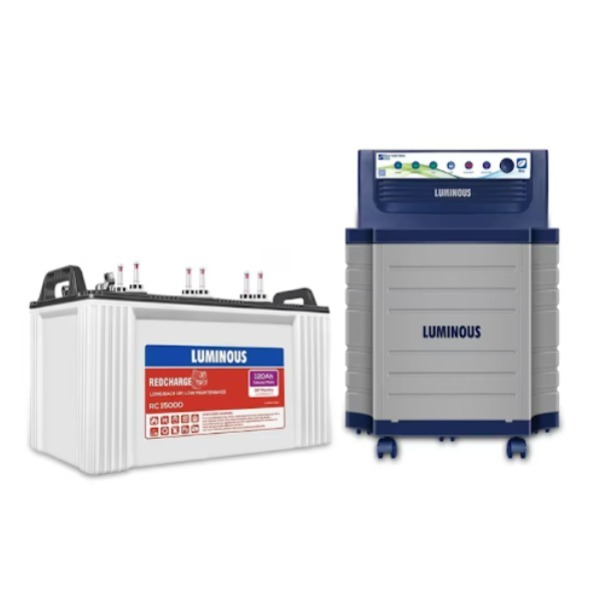
A UPS and a home inverter may both use batteries to provide backup power, but their applications are not always identical. That means a UPS Battery should be evaluated according to the equipment and UPS configuration it will support rather than selected simply because another battery has a similar voltage or capacity.
For businesses and institutions in Bhandara, Maharashtra, understanding this distinction can prevent incorrect battery selection and unrealistic runtime expectations.
Start With the Backup Application
UPS installations are commonly used where computers, servers, networking equipment, medical devices, security systems or other critical electronics need continuity.
Inverter systems are frequently used for broader household or small-business backup loads such as lights, fans and selected appliances.
The battery requirement therefore depends on the nature of the system.
Compare More Than Battery Capacity
Two batteries carrying similar capacity ratings may be designed for different operating conditions.
When evaluating a battery, consider:
- Battery technology
- UPS or inverter compatibility
- Required discharge characteristics
- Charging requirements
- Expected backup duration
- Number of batteries required
- Installation environment
The existing equipment manufacturer's specifications should also be considered before replacing batteries.
Runtime Depends on Load
One common mistake is assuming that a battery has a fixed number of backup hours.
Actual runtime depends heavily on the connected load. If additional equipment is connected, backup duration generally decreases.
Battery age and condition also influence performance. A battery that previously provided satisfactory backup may gradually deliver shorter runtime as it ages.
When Should an Existing UPS Battery Be Evaluated?
Common indicators include noticeably reduced backup duration, difficulty holding charge, repeated battery warnings from compatible equipment, visible physical abnormalities or reaching the expected replacement period.
Physical swelling, leakage, excessive heating or other unusual battery conditions should not be ignored.
For commercial users, scheduled battery inspection can be more practical than waiting until backup is needed during an actual outage.
Match the Battery to the System
Mahendra Power Zone works with power-backup requirements for customers in Bhandara and across Maharashtra. When replacing a battery, sharing the UPS model, existing battery configuration, connected load and desired runtime can make product selection more accurate.
The key question is not simply whether one battery is better than another. It is whether the battery is appropriate for the charging system, electrical load and backup expectations.
Choosing on that basis can provide a more dependable power-backup setup and reduce the likelihood of discovering a battery mismatch during a power failure.