

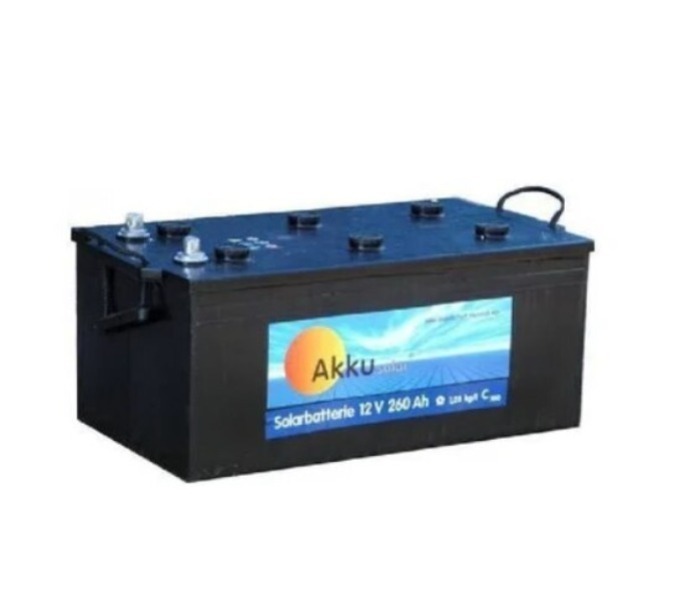
Solar panels generate electricity when sufficient sunlight is available, but energy production and electricity consumption do not always occur at the same time. A Solar Battery can store usable energy for later, depending on the type and design of the solar power system.
For homes, farms, offices and commercial properties in Gondia, Maharashtra, battery selection should be based on expected energy use rather than simply choosing the largest available capacity.
Start With the Purpose of the Battery
Before comparing batteries, decide what you expect the storage system to accomplish.
Is it intended to provide backup during grid outages? Will it support selected essential loads? Is the goal to store daytime solar generation for later use?
These scenarios can require different system designs.
A useful assessment starts with three questions:
- How much energy do you use?
- Which loads must operate from stored energy?
- How long should those loads operate?
Once these are known, battery sizing becomes more meaningful.
Battery Capacity Is Only Part of the Decision
Customers often focus heavily on capacity. While capacity is important, it should not be evaluated in isolation.
Other factors include:
- Battery chemistry
- Usable capacity
- Compatible charging requirements
- Expected cycle performance
- Operating temperature
- Maintenance requirements
- Inverter compatibility
- Installation environment
A battery that is poorly matched to the rest of the system may not deliver the expected result even if its nominal capacity appears adequate.
Avoid Oversizing Without a Reason
A larger battery bank can provide additional stored energy, but unnecessarily increasing capacity also raises investment and may affect charging requirements.
Similarly, an undersized battery may fail to provide the expected runtime.
The objective should therefore be appropriate sizing rather than maximum sizing.
Gondia Applications Can Differ Widely
A small residential solar backup installation may prioritize lights, fans and communication devices. Agricultural or commercial applications may have entirely different load patterns.
Local customers should also consider where batteries will be installed and whether the selected technology has specific ventilation, temperature or maintenance requirements.
Mahendra Power Zone assists customers evaluating solar and power-backup equipment across Maharashtra. A load-based discussion can help establish a suitable battery configuration before purchase.
Solar energy storage works most effectively when the panels, charge management, inverter and battery are treated as parts of one system. Choosing each component independently without checking compatibility can create avoidable limitations.
A well-planned solar battery system begins with understanding daily energy requirements and then selecting storage that supports those requirements safely and practically.