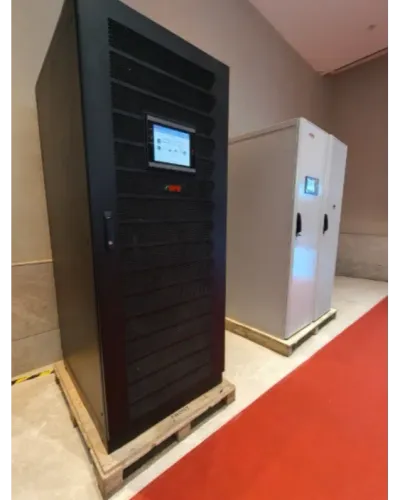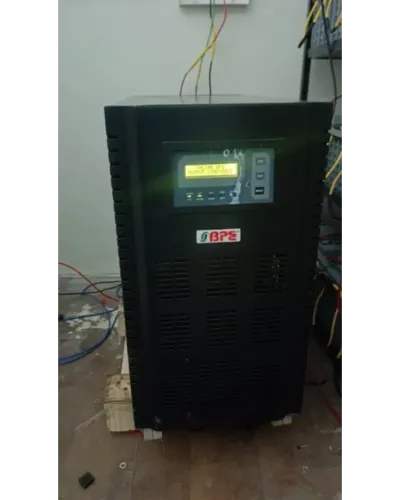
A Power Inverter can keep selected electrical equipment operating when grid power is unavailable, but choosing one without understanding the load often results in either inadequate performance or unnecessary spending.
For households, retail businesses and offices in Washim, Maharashtra, inverter selection becomes much easier when the decision is divided into load, capacity, battery and backup-time requirements.
List What You Actually Want to Run
Begin with a practical list rather than estimating.
For a home, essential loads may include fans, LED lights, a Wi-Fi router and television. A retail shop may need lighting, billing equipment, CCTV and internet connectivity. An office may prioritize computers and networking devices.
Write down the wattage of each appliance likely to operate simultaneously.
This provides a starting point for estimating the required inverter capacity.
Understand the Difference Between Capacity and Backup
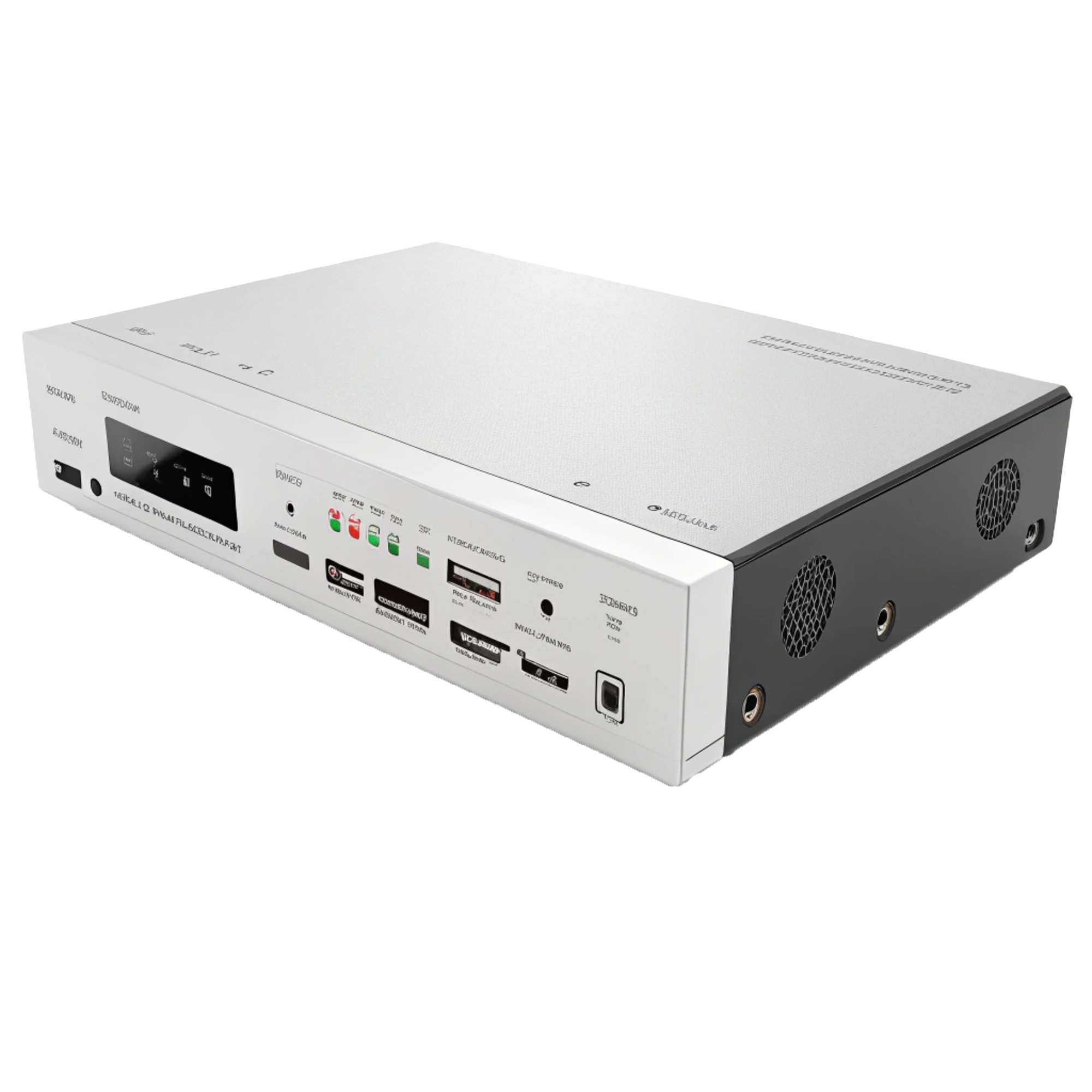
Inverter capacity determines how much connected load the system can support within its design limits.
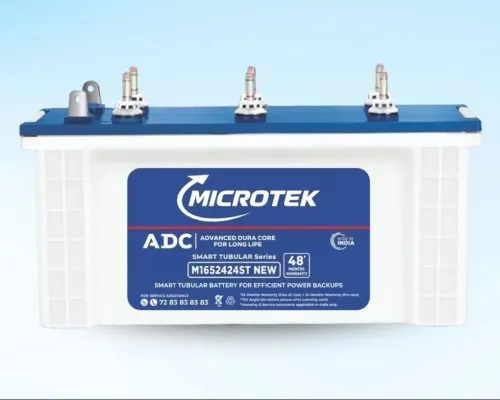
Battery capacity has a major influence on how long that load can operate.
Buying a larger inverter without an appropriately planned battery does not automatically provide longer backup.
Similarly, adding larger batteries without checking inverter and charging compatibility is not a sound approach.
Think About the Type of Appliances
Electrical loads behave differently.
Fans, lights and computers have different characteristics from pumps, refrigerators, motors and other equipment with starting demand. High-power appliances can substantially increase system requirements.
The inverter should therefore be chosen around the intended appliance mix, not just the number of appliances.
Consider Practical Installation Factors
Before purchase, decide where the inverter and battery will be installed.
The area should suit the manufacturer's installation requirements and provide appropriate accessibility. Battery-specific ventilation and maintenance needs should also be considered.
Avoid placing equipment where heat, moisture or restricted access could create avoidable problems.
Buy for the Requirement Rather Than the Rating
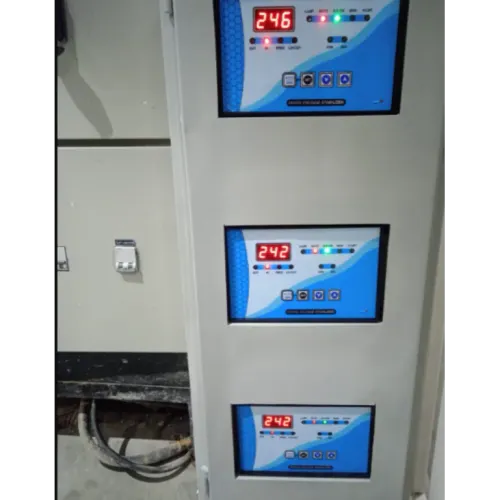
Mahendra Power Zone supplies power-backup and voltage-management solutions for customers in Washim and other Maharashtra markets. Sharing the appliance list, expected simultaneous load and desired backup time can help establish a more appropriate configuration.
The best inverter for one household or business may be completely unsuitable for another even when both experience similar power cuts.
A good buying decision comes from answering three questions first: what must remain powered, how much electricity will those devices consume and how long should they operate?
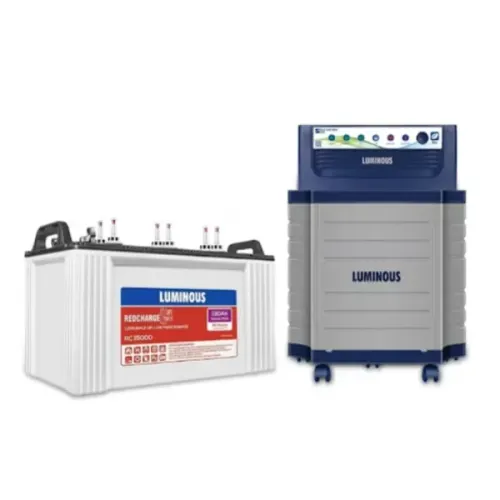
Once those answers are clear, choosing a power inverter and compatible battery becomes a much more informed process.
Keywords