The right backup device depends on what must remain powered, how sensitive that equipment is, and whether the load includes motors, compressors or nonlinear electronics. You will be able to classify your loads, calculate a defensible kVA and kW requirement, and compare equipment and quotations without relying on product names alone.
Key takeaways
- Use an online UPS for servers, medical equipment and sensitive industrial controls.
- Use an inverter for non-critical loads that tolerate a short transfer interruption.
- Size the UPS in kVA and confirm usable kW against actual load and power factor.
- Compare battery autonomy, bypass design, warranty, service response and installation scope.
What is the difference between an online UPS, line-interactive UPS and inverter?
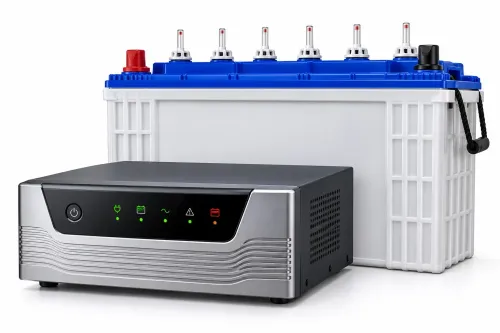
An inverter is not a complete UPS category: a conventional power inverter converts DC battery power to AC, while a UPS adds a rectifier or charger, batteries, transfer or bypass equipment, protection and controls.
That distinction matters in an ups system versus power inverter decision; “online ups or inverter for business” is a load requirement, not a product label.
| Type | IEC 62040-3 | Practical behaviour |
|---|---|---|
| Conventional inverter | Not a UPS class | Transfer time, charging, waveform and overload protection depend on the external system; input disturbances pass through unless separate equipment blocks them. |
| Standby UPS | VFD | The load normally follows utility power and transfers to the inverter during failure. Regulation, frequency and harmonics follow the supply; charging is idle or basic. |
| Line-interactive UPS | VI | A short transfer remains, while automatic voltage regulation corrects some sags and swells. Frequency follows input, and pass-through can carry distortion; charger and overload limits vary. |
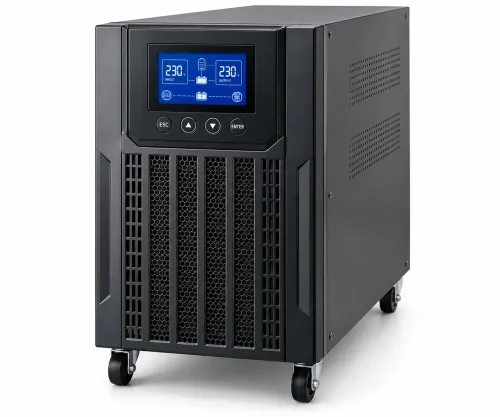
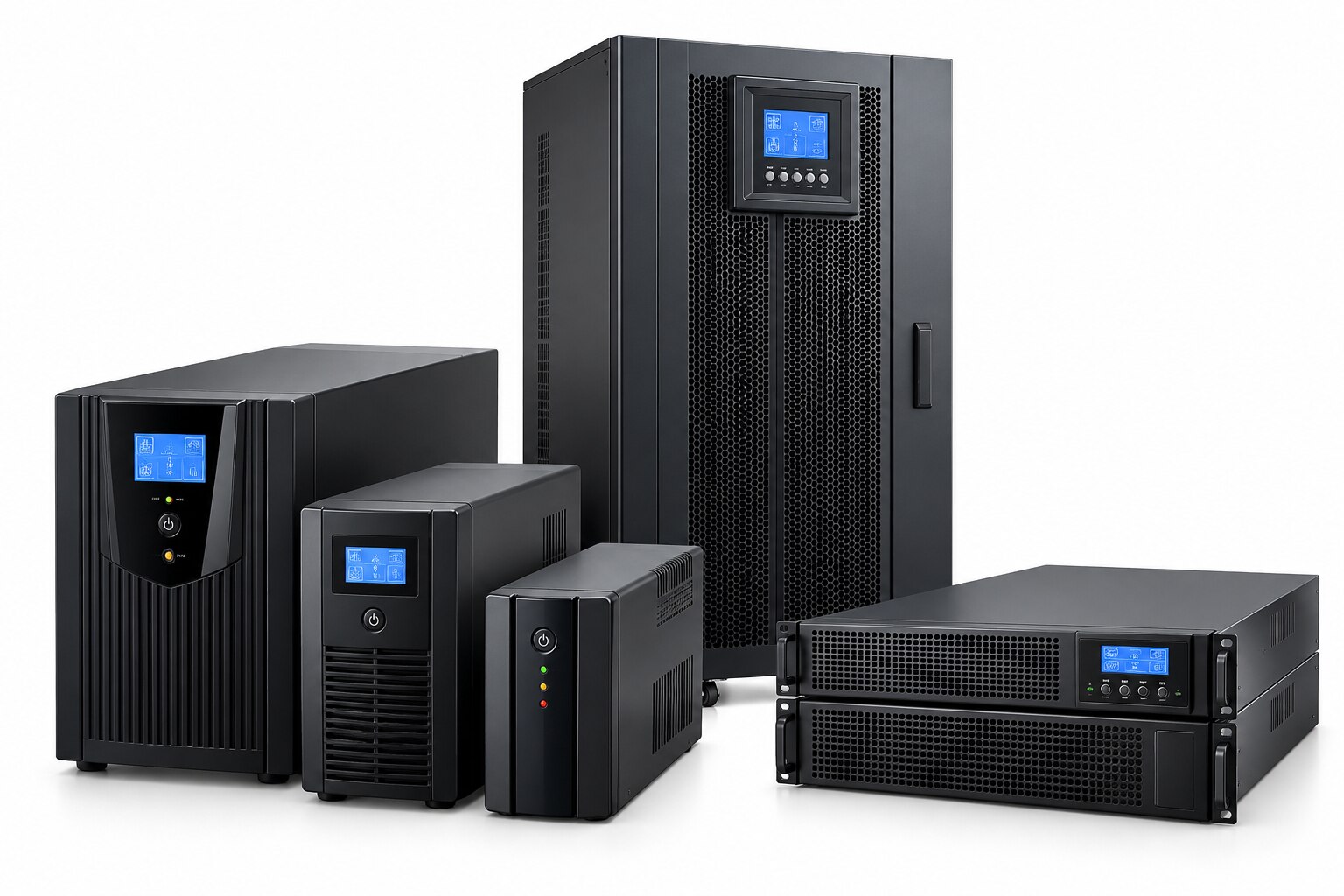
| Online double-conversion UPS | VFI | Rectification and inversion continuously supply the load, avoiding the normal transfer event. It provides tight voltage and frequency control, waveform conditioning and isolation from many disturbances; its rectifier can create input harmonics without power-factor correction. |
Online UPS equipment provides the strongest control, but conversion losses create heat and raise capital cost. Confirm cooling and efficiency at your actual load.
Do not accept “industrial” or “inverter UPS” as a specification. Demand stated transfer time, output THD, voltage and frequency limits, crest-factor capability, overload curves, battery-charging method and input power factor.
Which business loads need an online UPS, and which can use an inverter?
Choose an online double-conversion UPS when a load cannot tolerate a transfer event, voltage variation or waveform distortion. The right online ups or inverter for business depends on load criticality, not purchase price.
| Load type | Recommended protection | Why |
|---|---|---|
| Servers, network switches, telecom equipment | Online UPS, normally VFI | Continuous rectification and inversion regulate voltage and frequency without the normal transfer event. |
| CNC controls, medical electronics, process controls and POS systems | Online UPS | A disturbance or distorted waveform can stop a process, corrupt data or interrupt a transaction. |
| General office computers and networking | Line-interactive UPS | Suitable when backup is short and input disturbances are moderate; transfer and regulation limits still apply. |
| Lights, fans, ordinary printers, refrigerators and selected pumps | Inverter | Appropriate for non-critical, surge-tolerant loads when its waveform and capacity suit the equipment. |
Do not size an inverter by running watts alone. Laser printers, compressors, motors and pump starting currents can trip an undersized unit, even when their steady-state consumption looks acceptable.
Generator compatibility requires a separate check. A six-pulse rectifier draws pulsed current and creates input harmonics, which can increase generator sizing and voltage-distortion problems. Ask whether the UPS has input power-factor correction, an active-front-end rectifier or harmonic mitigation, then verify the generator-UPS control sequence.
Online protection does not replace surge protection, earthing or coordinated overcurrent protection. Specify the complete utility-generator-UPS-bypass-output path, including the SPD, bypass, output distribution and final circuits, for reliable business backup power in nagpur.
How do you calculate the required UPS size in kVA and usable kW?
A 2.5 kW office load already represents 3.125 kVA at a 0.8 power factor, before starting and expansion allowances. Do not size an UPS system or power inverter for business in Nagpur from a single nameplate total.
- List every computer, switch, router, light, printer, air-conditioner, pump and other device.
- Record running watts or VA, then measure maximum demand with a power analyser where possible.
- Identify motor or compressor starting current, and record power factor, crest factor, harmonic current and phase balance.
- Add real watts, then compare them with usable UPS output: rated kVA × the UPS power factor. Require the quotation to state that power factor; never assume kW equals kVA.
For example, 1.4 kW of computers and networking, 0.4 kW of lighting and 0.7 kW of cooling total 2.5 kW. At 0.8 power factor, that is 3.125 kVA.
A 3 kVA UPS rated at 0.8 provides only 2.4 kW and can fail; a 5 kVA unit may provide practical headroom after its overload curve is checked. A 10 kVA unit wastes capacity at light load unless expansion, redundancy or inrush demands justify it.
This is the useful distinction in an UPS system versus power inverter decision.
| Option | Usable output at stated power factor | Decision |
|---|---|---|
| 3 kVA, 0.8 PF | 2.4 kW | Undersized |
| 5 kVA, 0.9 PF | 4.5 kW | Check overload and starting current |
| 10 kVA, 0.9 PF | 9 kW | Wasteful unless justified by demand or expansion |
What battery, room and redundancy details change the real backup result?
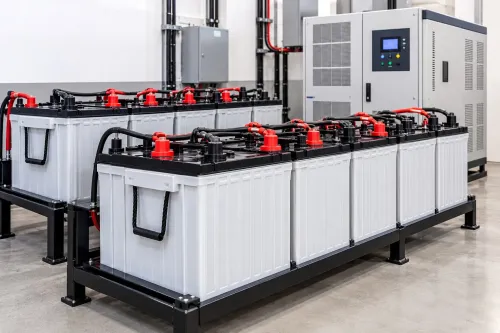
Advertised battery ampere-hours do not determine autonomy. Require runtime at the specified kW load, end-of-discharge voltage, battery age or end-of-life condition, temperature, discharge rate, allowable reserve and recharge time; the quotation must name the battery model and attach its discharge table.
Battery choice changes the room and service plan:
| Battery | Check before choosing |
|---|---|
| VRLA | Whole-life replacement cost, footprint, ventilation, heat sensitivity and maintenance access |
| Lithium-ion | Battery-management system, charger compatibility, alarms, isolation and documented fire-safety controls |
For business backup power in Nagpur, require declared UPS and battery-room temperature limits, ventilation, dust control, humidity and vibration limits. Check cable routing and panel access; an industrial UPS system in Nagpur is not defined by the word “industrial” on a brochure.
Ask for a single-line diagram before accepting N+1. Confirm whether redundancy covers UPS modules, batteries, static and maintenance bypasses, switchboards, output panels and controls.
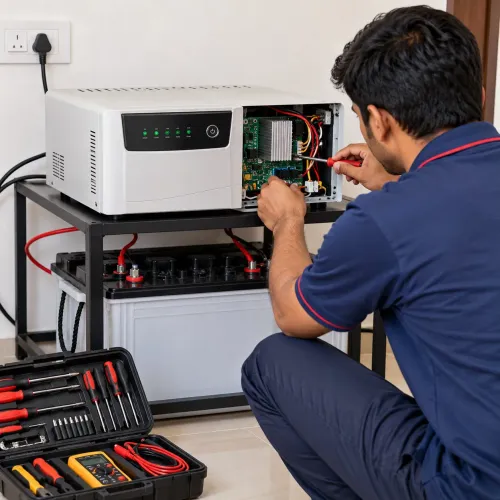
An interlocked maintenance bypass lets technicians service the UPS without dropping the load, while coordinated upstream protection and downstream fault-clearing devices prevent a short circuit from defeating the bypass or UPS protection.
A rental agreement must state:
- Autonomy, permitted kW and kVA, and cable ratings and lengths
- Earthing, bypass and isolation arrangements, plus generator interface
- Emergency response time and responsibility for replacement batteries
Also record what happens when actual demand exceeds the agreed limit.
How should a Nagpur business compare UPS quotations and choose a supplier?
Do not compare a 3 kVA, 5 kVA or 10 kVA quote by catalogue label. For an ups system or power inverter for business in nagpur, demand a site survey, load measurements, single-line diagram and commissioning record before choosing.
Ask every supplier to state:
- Topology and IEC 62040-3 class: VFD, VI or VFI; rated kVA and usable kW.
- Input/output phase arrangement, voltage, frequency, transfer behaviour, waveform and output THD.
- Overload curve, efficiency at your actual load, input power factor and generator compatibility.
- Battery model, autonomy calculation at the stated load and end-of-life condition, end-of-discharge voltage, temperature, reserve and recharge time.
| Specification | Require in the quotation | Why it matters |
|---|---|---|
| Industrial UPS system in Nagpur | Ambient temperature, dust and humidity limits, enclosure rating, EMC details | Heat, dust and moisture shorten life or trigger faults |
| Service scope | Commissioning tests, preventive-maintenance schedule, response time and spare-parts responsibility | A low price is useless during an outage |
| Rental deployment | Autonomy, kW/kVA limits, cable lengths and ratings, bypass, earthing and emergency response | Actual loads and site wiring can exceed the agreement |
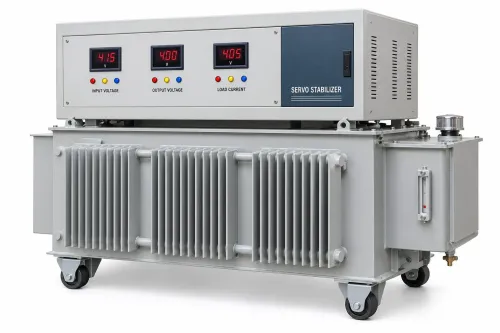
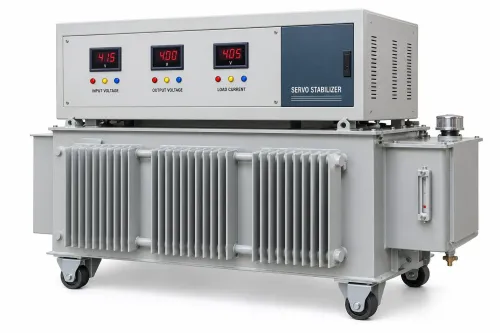
A local provider such as Mahendra power Zone is relevant when it supplies, rents or services new and used UPS systems, batteries and stabilizers; compare its documented design, not its catalogue wording.
Choose an inverter for non-critical, surge-tolerant loads; choose an online UPS when continuity, waveform control and voltage isolation justify the extra heat and cost.
Related products
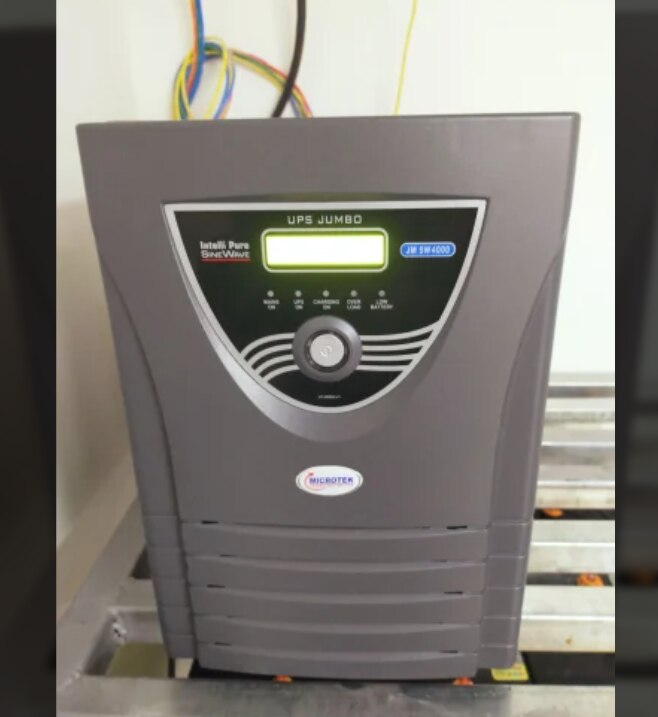 | Ups System Type Inverter UPS Brand Eaton Model Name/Number Microtek Online Ups Usage/Application Industrial Battery Type Microtek Online Ups Phase Microtek... View product → |
 | Ups Battery Type Online Brand Eaton Usage/Application Industrial Protection OverVoltage Warranty 1 Year We MAHENDRA POWER POWER , leading supllier of UPS... View product → |
Frequently asked questions
What is the difference between an online UPS, line-interactive UPS and an inverter?
An online UPS continuously converts AC to DC and back to AC, so connected equipment receives conditioned power without a transfer break. A line-interactive UPS regulates voltage and switches to batteries during an outage. A conventional inverter converts battery DC to AC and is not a complete UPS unless it includes the required charging, transfer, protection and control systems.
Which business loads need an online UPS, and which can use an inverter?
Choose an online UPS for servers, network equipment, data-storage systems, medical devices, CNC controls and other loads that cannot tolerate transfer time or voltage disturbance. An inverter suits lights, fans, selected office equipment and other non-critical loads that can tolerate a brief interruption.
How do you calculate the required UPS size in kVA and usable kW?
List each load's watts or VA, add the running loads, include starting or inrush demand, and leave capacity for expansion. Check both ratings: kVA covers apparent power, while usable kW depends on the UPS power factor. Do not exceed either limit.
What battery, room and redundancy details change the real backup result?
Backup time depends on battery voltage, amp-hour rating, discharge rate, age, temperature and the actual load. Provide ventilation, clearances, safe cable routing and suitable temperature control. Use N+1 UPS modules or parallel systems when maintenance or a single failure cannot interrupt operations.
How should a Nagpur business compare UPS quotations and choose a supplier?
Compare quoted kVA and kW, battery make and autonomy test conditions, bypass arrangement, input and output ranges, installation materials, warranty exclusions, preventive maintenance, response time, replacement terms and commissioning documents. Ask suppliers to inspect the site and state every assumption in writing.
Related products
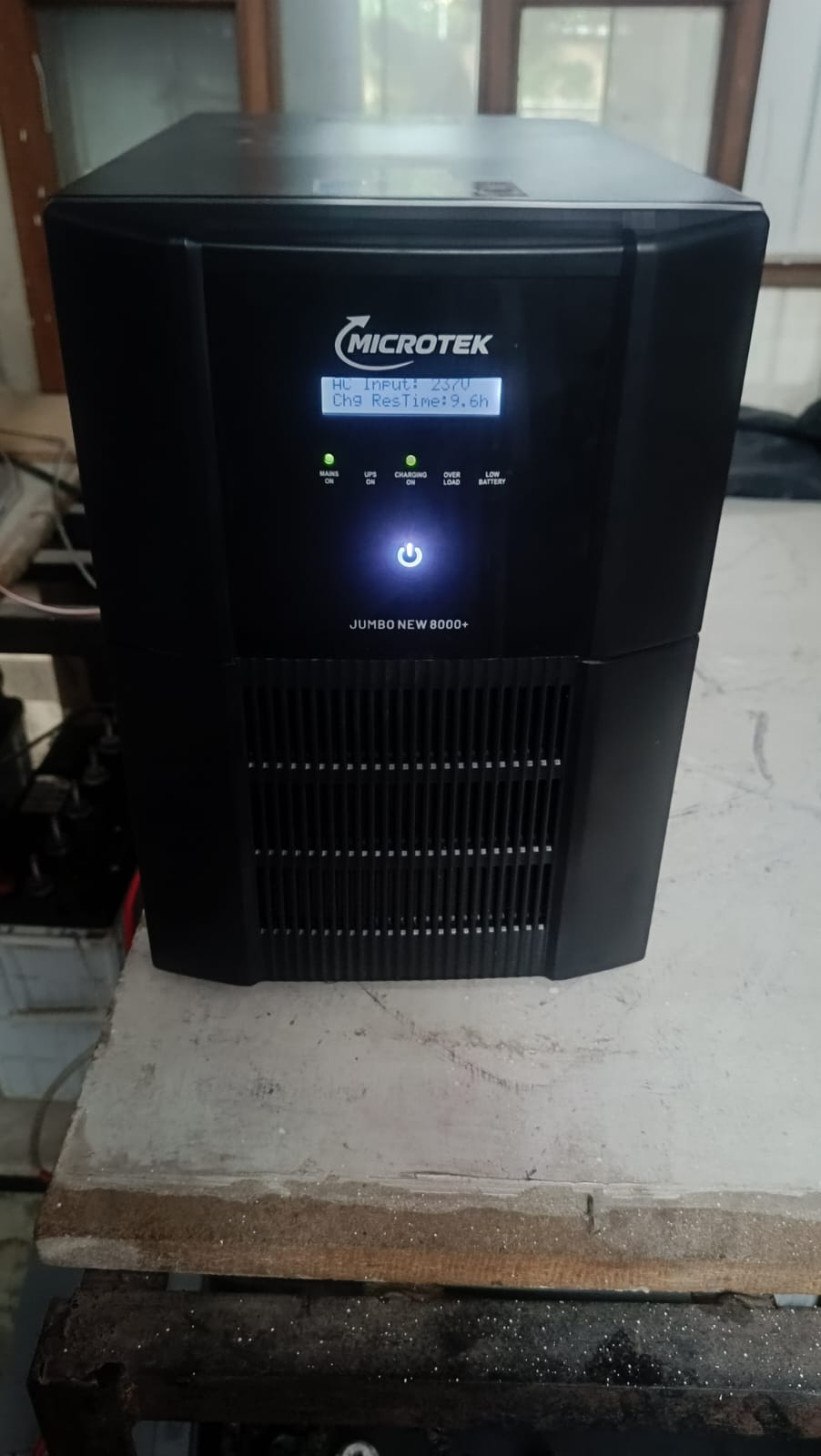 | Inverter inverter View product → |
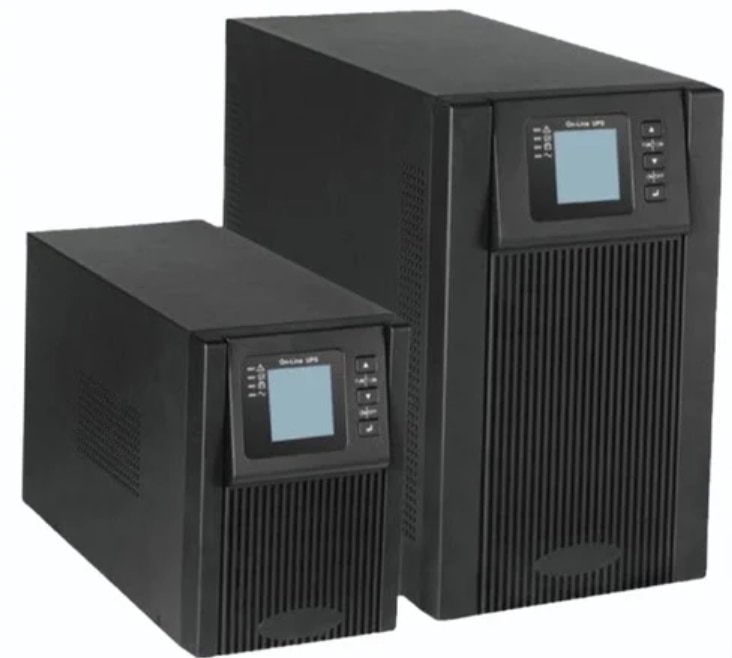 | Online Ups Capacity 5 KVA Configuration 3 Phase IN & 3 Phase OUT Model Name/Number 5 KVA ONLINE UPS Back Up Time 30 Mins Battery Backup 90 Number Of Batteries... View product → |
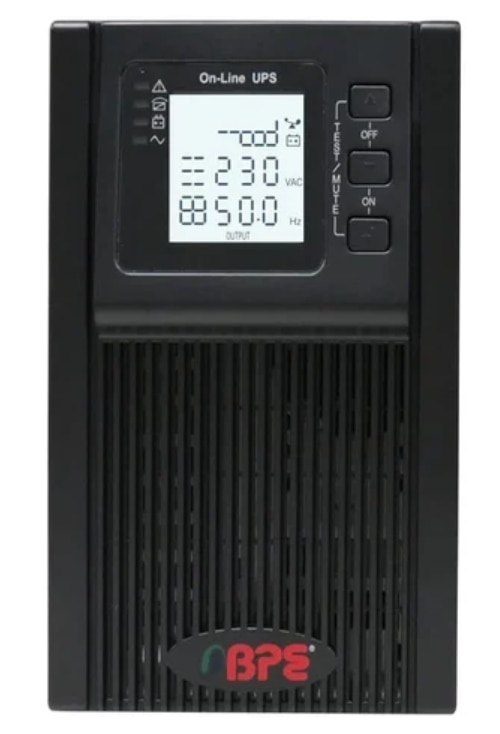 | Online Ups Product Details: Capacity 3 KVA UPS Topology UPS Phase Three Phase Brand BPS Configuration 3 Phase IN & 1 Phase OUT Application Home, Office,... View product → |
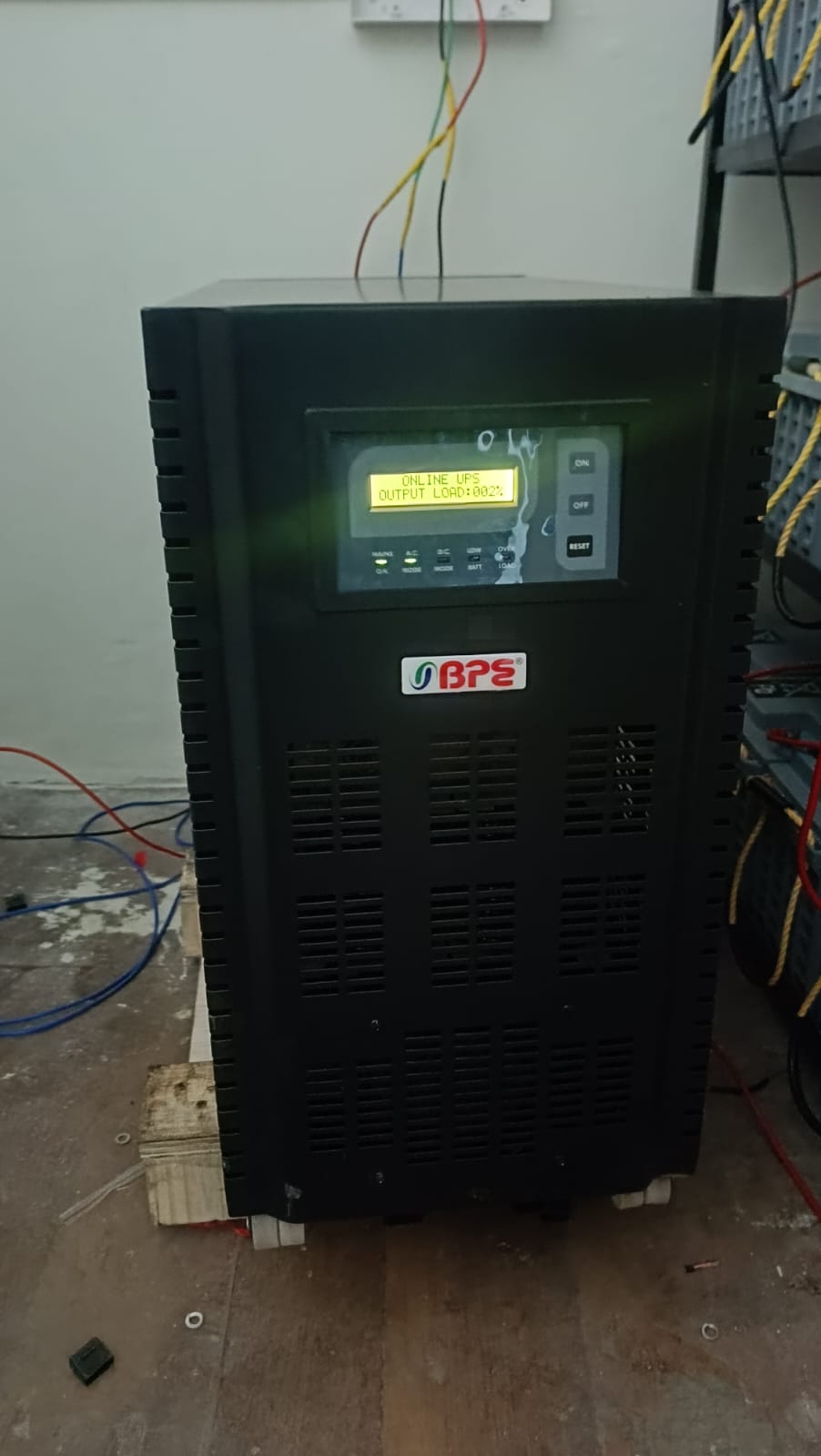 | Online Ups 10 kva View product → |
Keywords