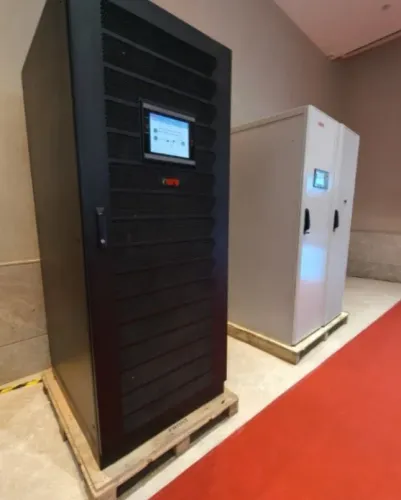


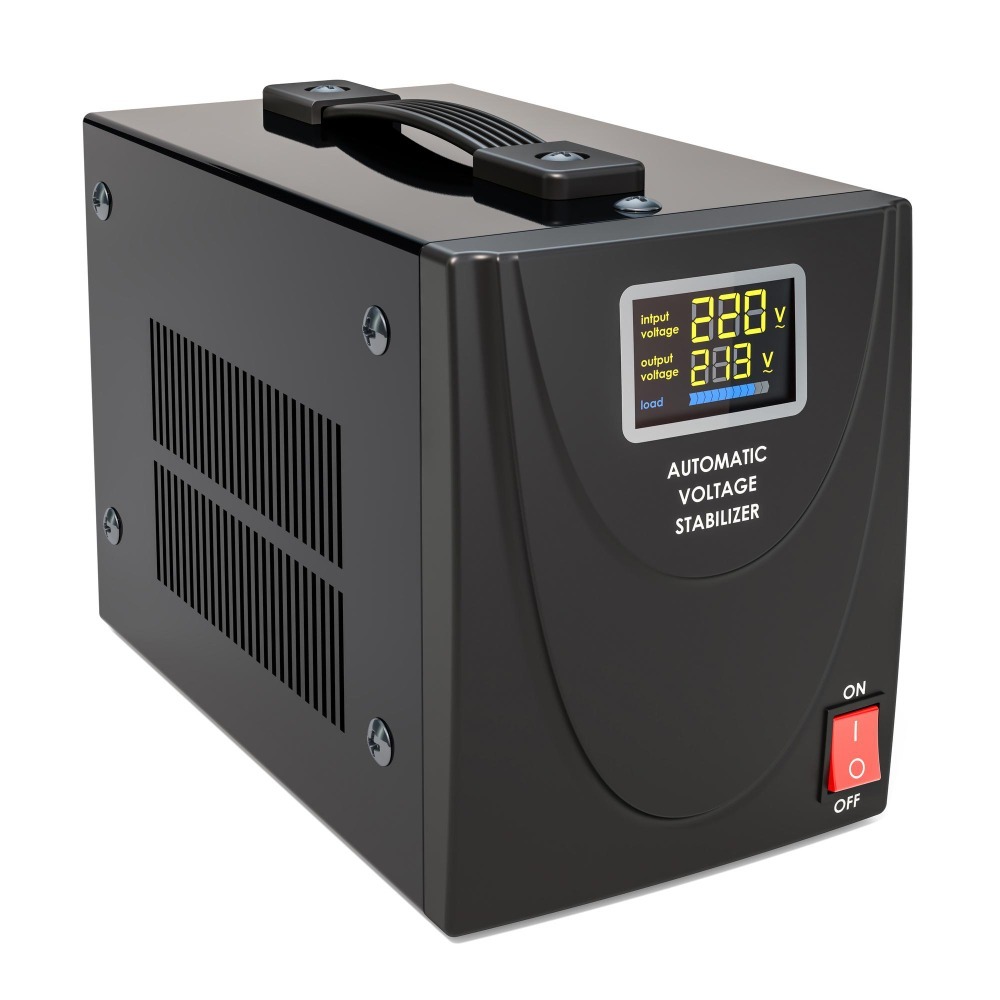
Voltage fluctuations are more than a minor electrical inconvenience. When voltage repeatedly rises above or falls below the level required by electrical equipment, motors, control panels, machinery, air-conditioning systems and sensitive electronics may experience unnecessary stress. A Servo Voltage Stabilizer is designed to regulate these variations and provide a more stable output voltage to connected equipment.
For businesses and facilities in Nagpur, Maharashtra, voltage stability can be particularly important where operations depend on machinery, computers, laboratory equipment, commercial refrigeration or other electrically sensitive systems.
What Does a Servo Voltage Stabilizer Do?
A servo stabilizer continuously monitors incoming voltage. When it detects a variation, its control mechanism adjusts the output toward the required voltage range.
This is different from simply providing backup power. A stabilizer primarily addresses voltage quality, while a UPS is designed to maintain power to connected loads when the main supply fails or becomes unsuitable.
A properly selected servo stabilizer can help:
- Maintain a more consistent voltage supply
- Reduce electrical stress on connected equipment
- Support reliable operation of machinery
- Minimize disruption caused by voltage variations
- Improve protection for sensitive electrical loads
The actual level of protection depends on the stabilizer design, input voltage range, output requirements and connected load.
Where Are Servo Stabilizers Commonly Used?
Their applications extend beyond factories. Servo stabilizers may be considered for CNC machines, printing equipment, medical facilities, diagnostic equipment, commercial establishments, offices, educational institutions, workshops and industrial electrical systems.
Three-phase stabilizers are commonly considered where larger industrial loads are involved, while the appropriate configuration for smaller installations depends on the electrical system and equipment.
Capacity Should Match the Real Load
Choosing a stabilizer solely by looking at the current connected load can lead to poor selection. Starting currents, load expansion, equipment type, incoming voltage conditions and phase configuration should also be considered.
For example, equipment containing motors may behave differently during startup than ordinary lighting or computer loads. This makes proper load assessment an important part of stabilizer selection.
Businesses evaluating voltage-management solutions in Nagpur should therefore document their operating voltage, load details and observed voltage fluctuations before choosing equipment.
Mahendra Power Zone works with customers looking for power-conditioning and backup solutions for commercial and industrial requirements across Maharashtra. A requirement-based assessment can help determine whether a servo stabilizer is appropriate and what capacity is suitable.
Stable voltage does not eliminate every electrical risk, but it can form an important part of protecting equipment where supply fluctuations are a recurring operational concern.